Ebikapade Amasuomo is an environmental scientist and human rights activist with a keen interest in poverty alleviation and social justice. In this article, he reflects on the leadership style of President Bola Ahmed Tinubu, expressing deep concern over the human impact of recent economic reforms and appealing to the President to adopt a more empathetic, people-centred approach to governance.
I have followed President Bola Ahmed Tinubu’s political career closely for many years. I admired his resilience, strategic acumen, and political doggedness. For that reason, my disappointment since his emergence as President of Nigeria has been profound. More troubling is the apparent docility of Nigerians who seems resigned to hardship and even happy with their poverty.
Nearly three years into President Tinubu’s administration, his legacies are a succession of policies that place disproportionate pain on ordinary Nigerians. The removal of petrol subsidy was announced almost immediately after he assumed office, with pump prices jumping from about ₦163 to nearly ₦900 within weeks. In a country where energy costs ripple through transportation, food prices, and small businesses, this single decision triggered an economic shock that households were unprepared to absorb.
As if that was not enough, the government moved swiftly to float the naira. The result was dramatic: the exchange rate deteriorated from around ₦500 to over ₦1,500 to the dollar. This was followed by further currency devaluation. In an import-dependent economy like Nigeria’s, these decisions combined to send the cost of living through the roof. Today, many Nigerians struggle to afford basic meals, keep children in school, or access healthcare. Poverty is no longer abstract; it is lived daily.
To be clear, subsidy removal and currency reforms are not wrong. Many economists have long argued they are necessary. However, sound policy is not just about what is done, but how and when. Reforms of this magnitude require careful sequencing, broad consultation, and robust social buffers to cushion the inevitable shocks. You do not simply wake up and impose sudden, steep increases on a population already under strain. Gradual implementation over several years, alongside targeted support for the most vulnerable, would have reflected foresight and empathy.
What is most disheartening is the sense that these policies are being pursued without adequate regard for their human cost. Leadership demands sacrifice, but it must begin at the top. At a time when Nigerians are urged to tighten their belts, the presidency appears insulated from austerity—marked by expensive assets, frequent foreign trips, and a lifestyle far removed from the realities of the average citizen. This contrast undermines public trust and weakens the moral authority required to lead difficult reforms.
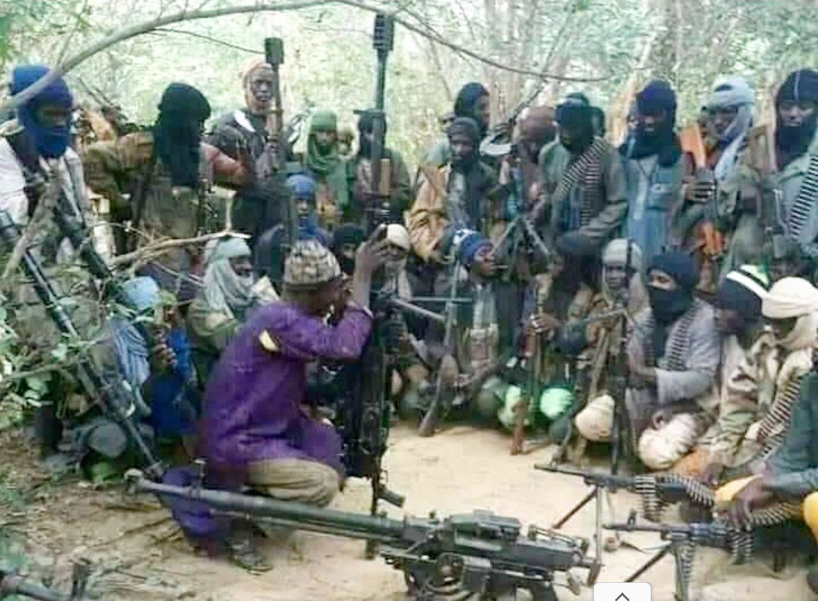
Beyond economics, the administration’s impact in key sectors remains underwhelming. Agriculture, healthcare, research and development, education, infrastructure, and security have yet to see transformative change. Insecurity has made road travel increasingly dangerous, pushing citizens toward costly air travel where they can afford it. A nation cannot develop under such conditions.
One must also reflect on the broader political legacy. President Tinubu played a decisive role in shaping Nigeria’s recent political trajectory, including the emergence of the previous administration whose tenure coincided with significant economic and institutional decline. Today, rather than a clear departure from past mistakes, many Nigerians perceive continuity—particularly in policy outcomes that deepen hardship.
That said, credit must be given where it is due. The Lagos–Calabar Coastal Highway stands out as a bold and potentially transformative infrastructure project. Unfortunately, it remains the lone landmark achievement many can readily point to.
Nigeria deserves more. We need massive, visible investments in infrastructure—functional rail networks across the country, modern healthcare systems, world-class universities, and serious commitment to science, innovation, and industrial growth. We need a security architecture that allows citizens to travel and live without fear. Above all, we need leadership that combines economic reform with compassion, consultation, and shared sacrifice.
This is an appeal to President Tinubu: wake up to the growing despair of the nation. Necessary reforms should not translate into an endless spreading of poverty. Nigerians are resilient, but resilience should not be mistaken for consent. True leadership lifts people through change; it does not merely ask them to endure pain while hoping for a distant payoff.